Wall Insulation: Warmer Rooms Without Tearing Down Plaster
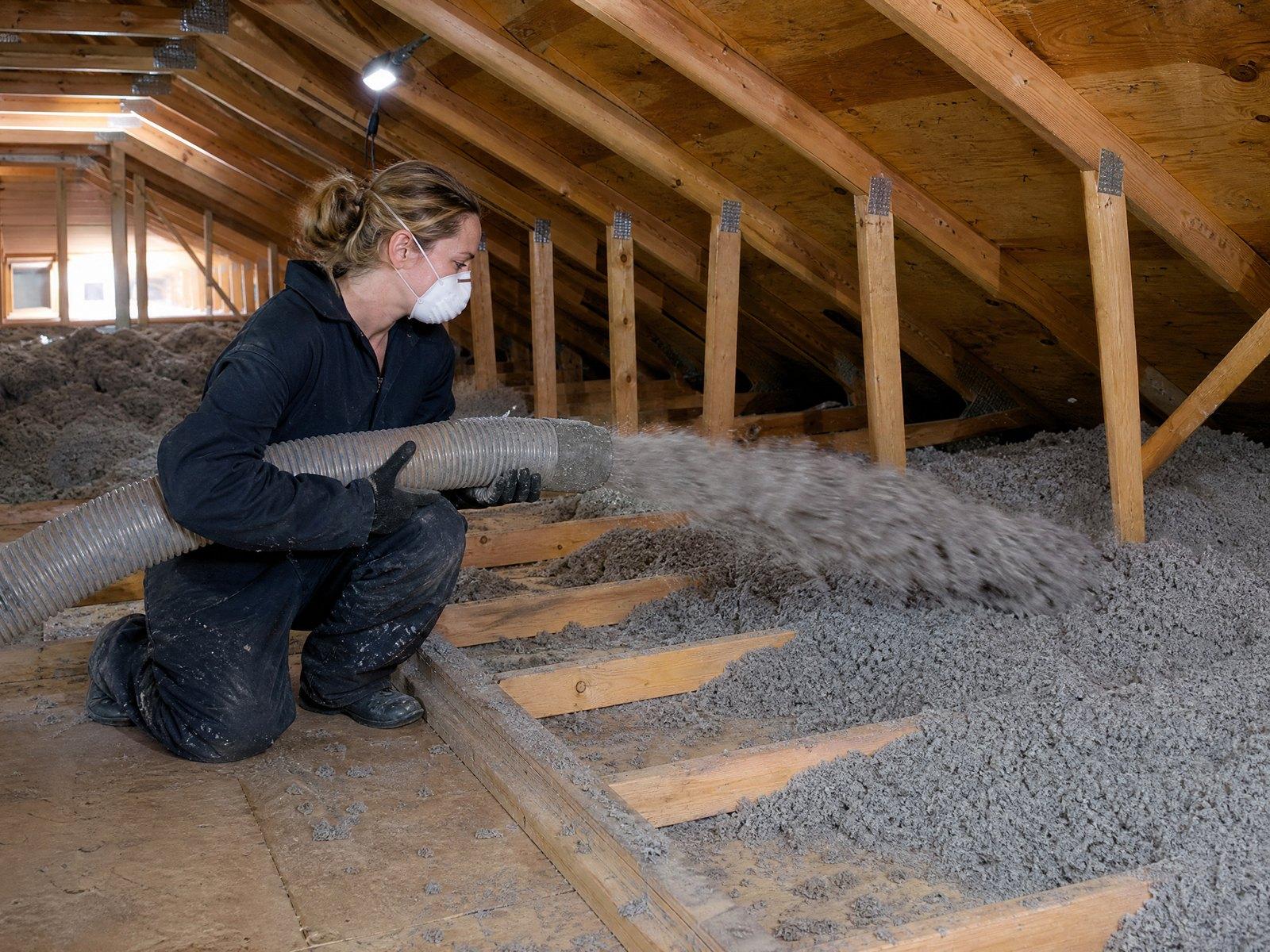
Wall insulation fills the cavity between the inside finish and the outside cladding. In an older house with empty walls, the usual route is dense-packing, where loose-fill is blown into each stud space through small holes that are plugged afterward. In a renovation with the walls open, batts, mineral wool or spray foam can go in directly.
Describe the job and add your city. Free to request, no obligation.
Walls are harder than attics because you cannot see in. Some have partial insulation, some have fire blocks that stop material falling to the bottom, and some have wiring that needs a second look. A specialist usually checks with a small camera or a few test holes before quoting.
Insulated walls reduce cold spots, make rooms feel more even and lower heating needs. They are best done together with attic work and air sealing, so the walls are not the only improvement while heat still escapes upward.
What the work includes
- Checking the wall construction, cladding and any insulation already inside
- Drilling small holes in each stud bay from outside or inside
- Dense-packing cellulose or fibreglass until the cavity is full
- Filling the space above and below windows
- Plugging the holes and patching them to match the finish
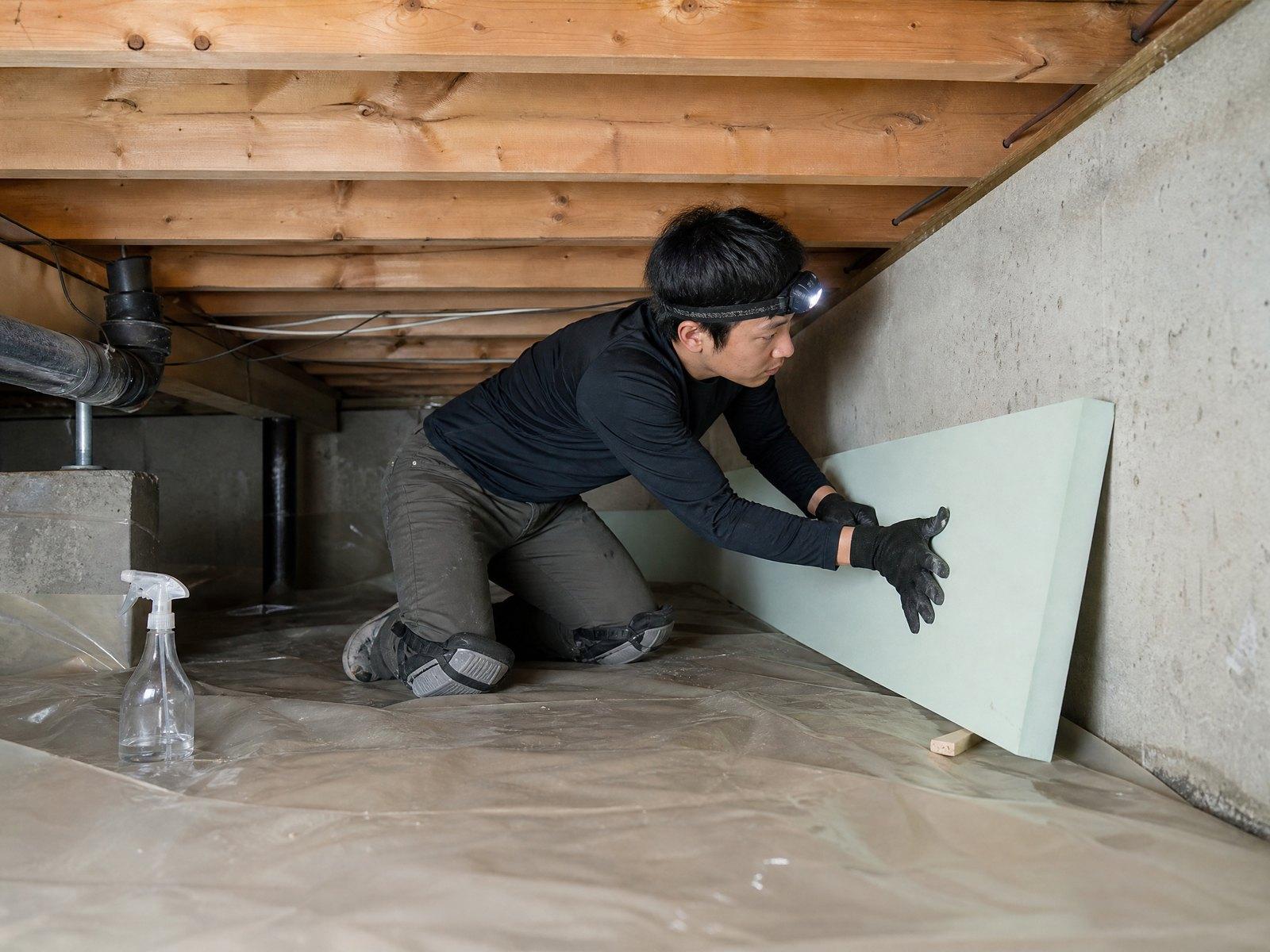
- Installing batts, mineral wool or spray foam in walls that are open
- Adding or checking a vapour control layer where the design needs one
- Cleanup and a walkthrough
Signs your walls are under-insulated
Outside walls feel cold or clammy against your hand in winter
Furniture against an exterior wall is cold to sit near
Ghosting, dark stripes on the wall where studs show through
A pre-war or mid-century house whose walls were never insulated
Bills stay high even after the attic was topped up
A renovation will take down drywall or plaster and expose the cavity
How the work goes, step by step
Tell us about the house
Share the age, wall type and cladding, and whether any renovation is coming.
Check the cavity
A local specialist uses a small camera or test hole to see what is inside the walls.
Pick the method
Dense-pack, batts, mineral wool or spray foam is chosen for each wall.
Written quote
You receive the walls to be done, material, density or R-value, and patching.
Fill and patch
Cavities are filled, holes plugged, and the crew explains what is left for you to paint.
What changes the price
- Wall area
- More exterior wall means more cavities to fill and more patching.
- Method
- Dense-pack, batts and spray foam each cost differently, and spray foam sits at the top.
- Cladding type
- Brick, stucco, siding and plaster each require different access and patching.
- Obstructions
- Fire blocks, bracing and old wiring slow the packing and sometimes need extra holes.
- Finishing
- Painting over patches is usually left to the owner unless the quote says otherwise.
- Open walls
- During a renovation the labour is lower because the cavity is already exposed.
What a good quote spells out
- How each wall is checked before it is filled, and how the crew confirms the cavity is full
- The material and the R-value or density it reaches
- Where holes are drilled and how they are patched
- Who paints or finishes the repairs
- Warranty terms on the work, in writing
Wall Insulation: questions people ask
Can walls be insulated without removing drywall?
Often. The cavity is filled through small holes in the cladding or the wall surface, and the holes are plugged. Houses with brick, stucco or plaster need a plan that suits the finish.
How do you know the whole wall gets filled?
A thermal camera, cavity probes and weighing material against volume all help. Ask the installer how they confirm a full fill.
Is mineral wool better than fibreglass in walls?
Mineral wool resists fire and moisture and holds its shape. Fibreglass is common and costs less. The choice depends on the budget and the wall design.
What if the walls already have some insulation?
Partial or poor insulation may still be topped up, or the old material may need to be removed first. That is decided after the wall is inspected.
Will wall insulation cause moisture problems?
Done properly, no. The right vapour control and air sealing for your climate are part of the plan, and a specialist should explain them.
Other Calenta services
Cold Rooms, Drafts or Ice Dams? Get It Looked At.
Fill out the quote form with your city and what you are noticing. A local specialist follows up to look at the attic, walls and basement and give you a written quote. Free to request, no obligation.
Request a free quote →