Attic, Spray Foam & Home Insulation in Baltimore
Cold rooms, drafts, ice dams, an upstairs that bakes in summer or a chilly basement. Send us the details and a specialist who works in your area checks what is in the attic and walls now and puts the right fix in a written quote.
Get a Calenta quote in Baltimore
Fill out the quote form with your city and what you are noticing. A local specialist follows up to look at the attic, walls and basement and give you a written quote. Free to request, no obligation.
- Air sealing first
- Written quotes
- Homes and small buildings
- Attic, walls, basement, crawl space
Baltimore is a major Atlantic port, a primary biomedical research centre (Johns Hopkins), and a federal-services-adjacent economy. Maryland has humid summers, cold snaps in winter and a mix of old rowhouses, colonials and newer suburbs. Attic top-ups, sealed ducts and insulated crawl spaces are common projects.
Eight Insulation and Air Sealing Services in Baltimore
From topping up an attic to spray foaming a basement before it gets finished, every job starts with the same question: where is the heat getting out, and what is the best way to stop it?
Attic Insulation
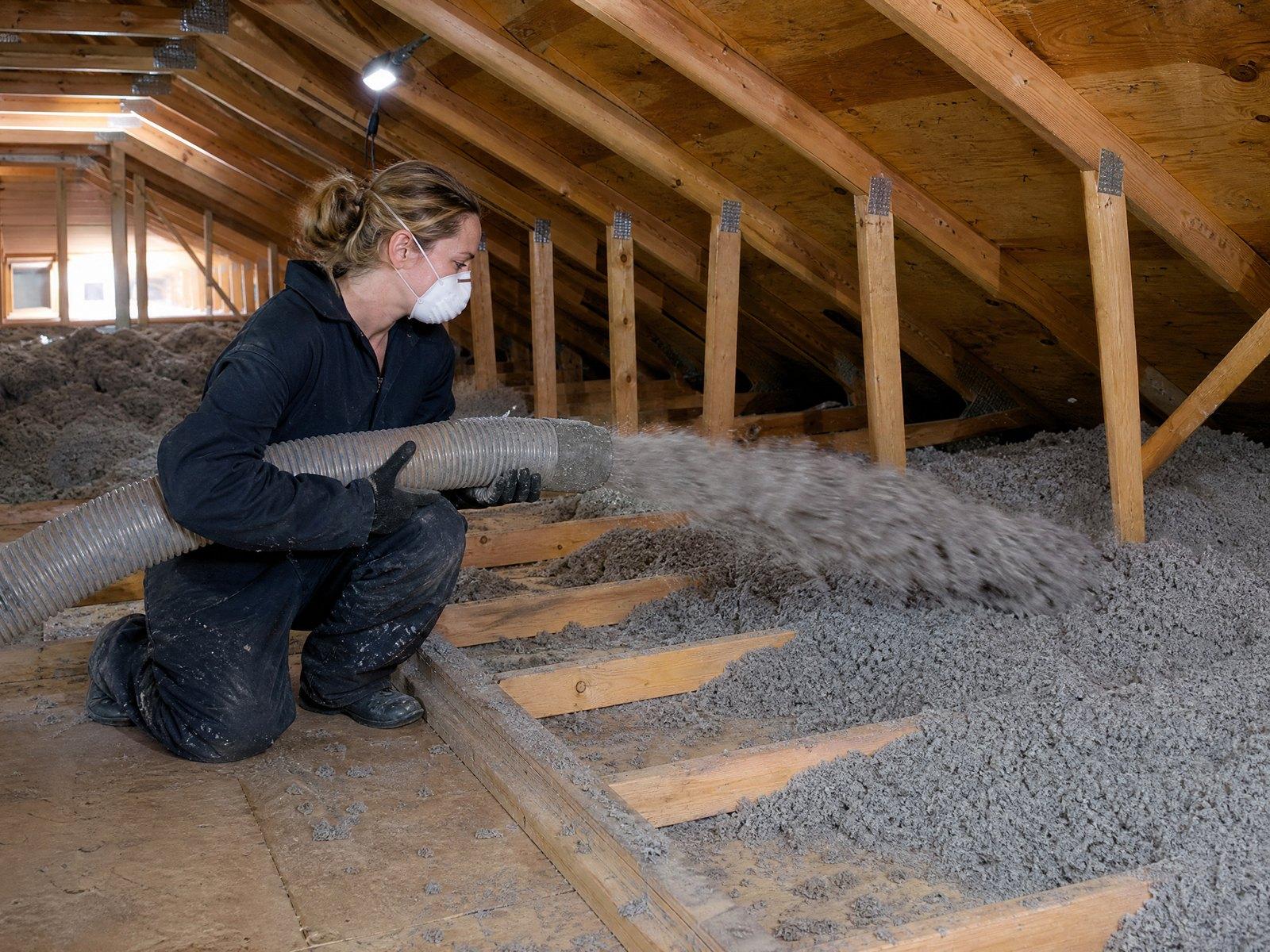
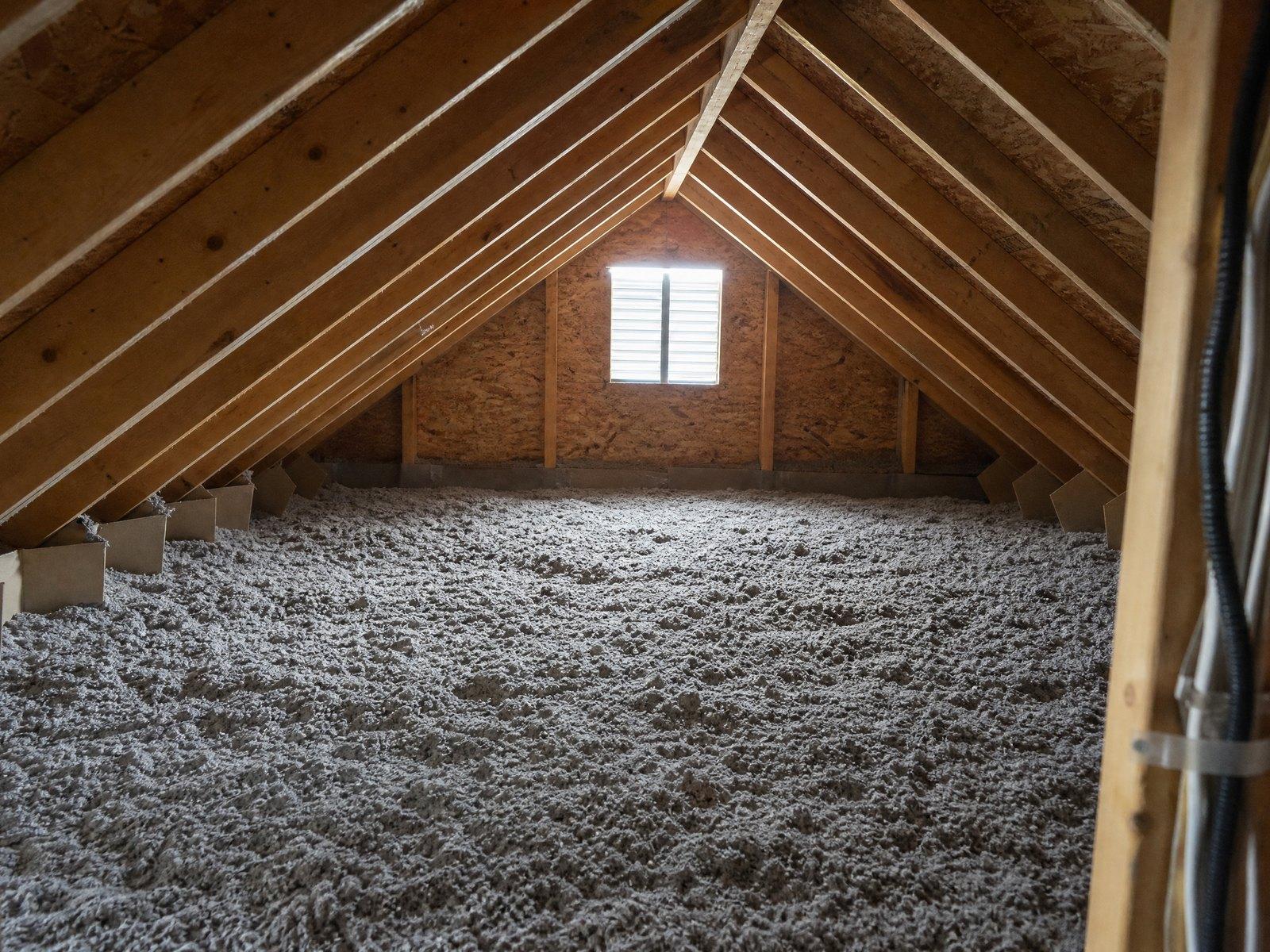
Attics brought up to a deep, even layer of insulation, with baffles at the eaves to keep the roof vented.
Spray Foam Insulation
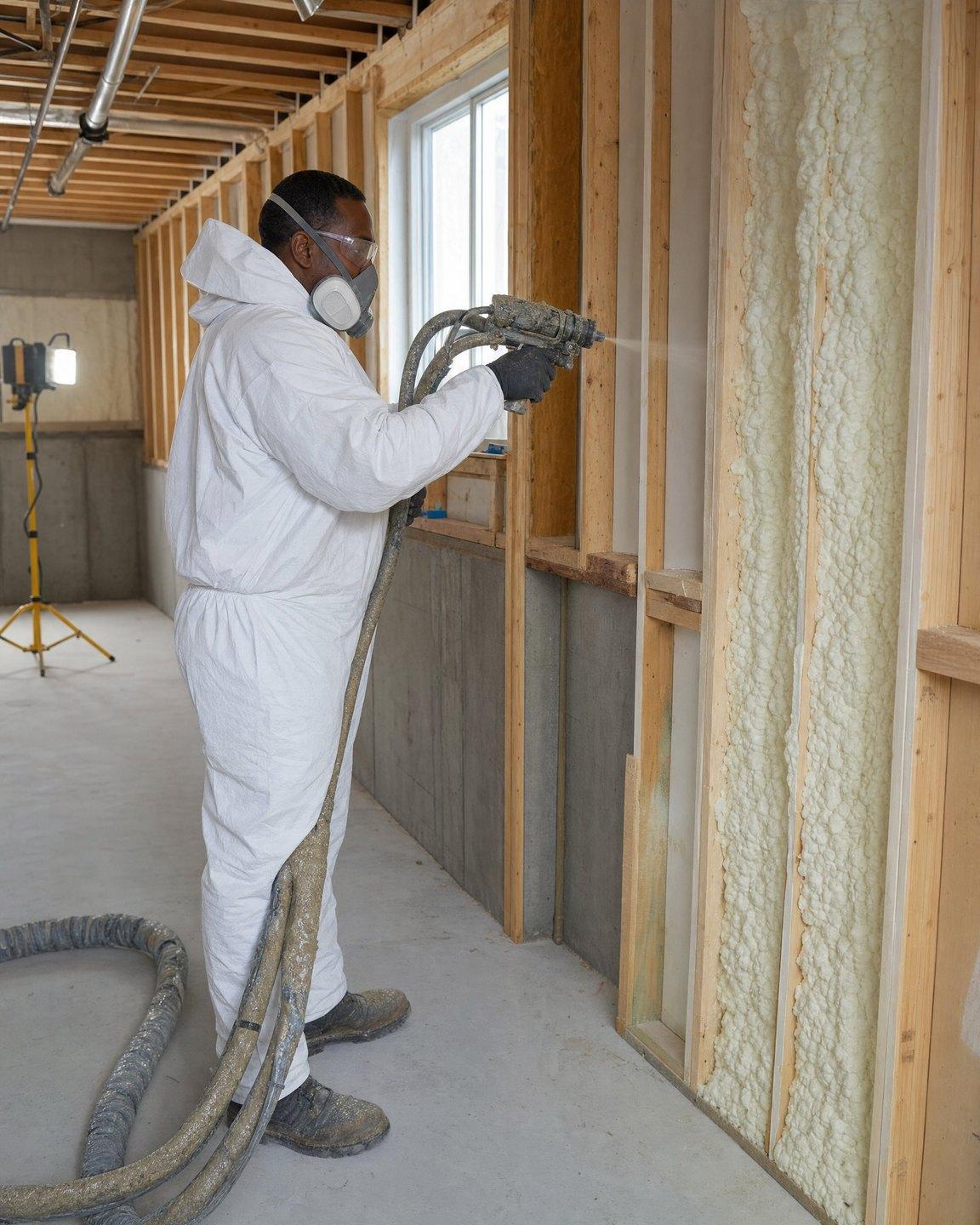
Closed-cell and open-cell spray foam for rim joists, basement walls, cathedral ceilings and tight cavities.
Blown-In Insulation
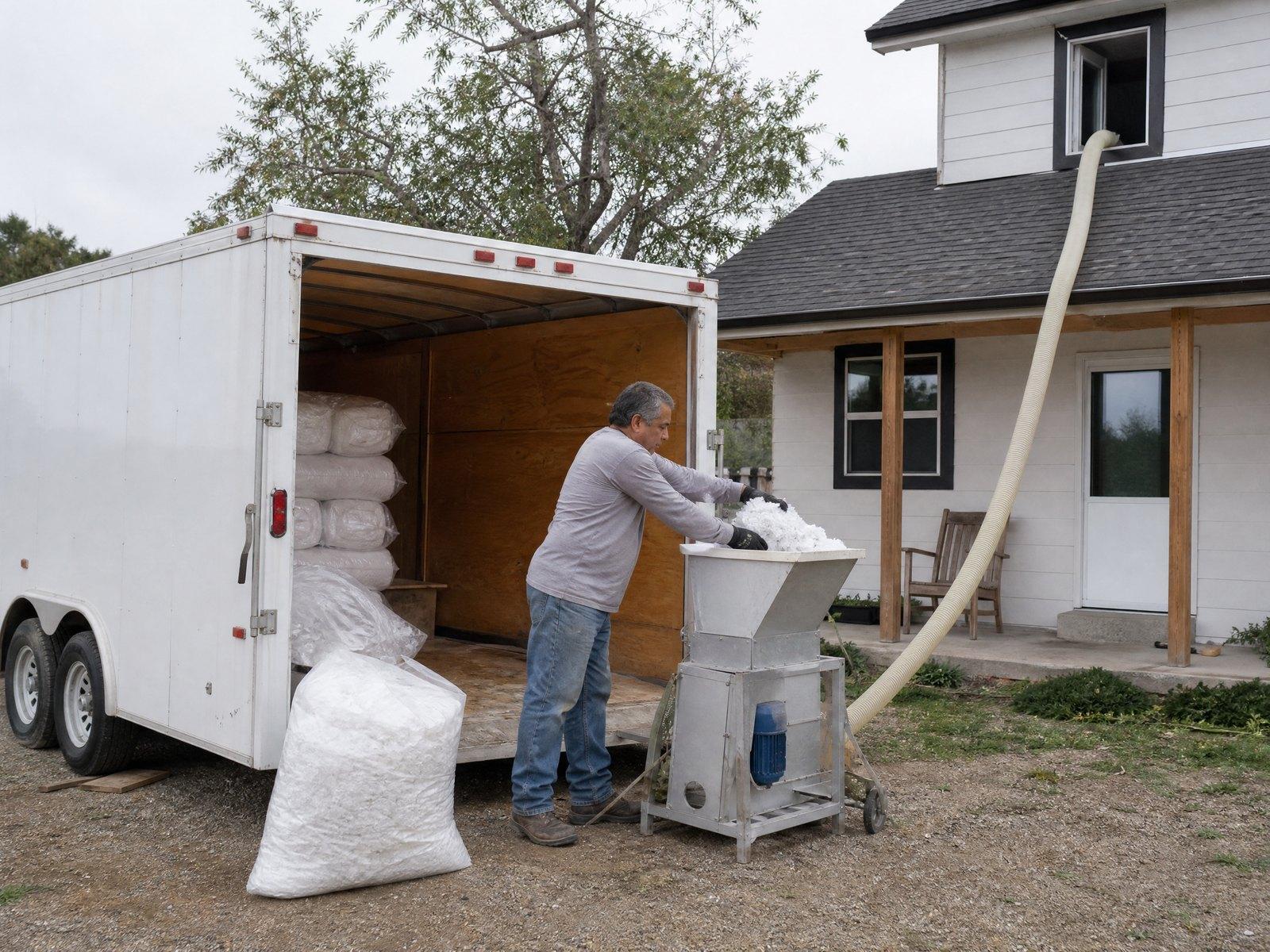
Loose-fill cellulose or fibreglass blown into attics and dense-packed into closed walls.
Air Sealing
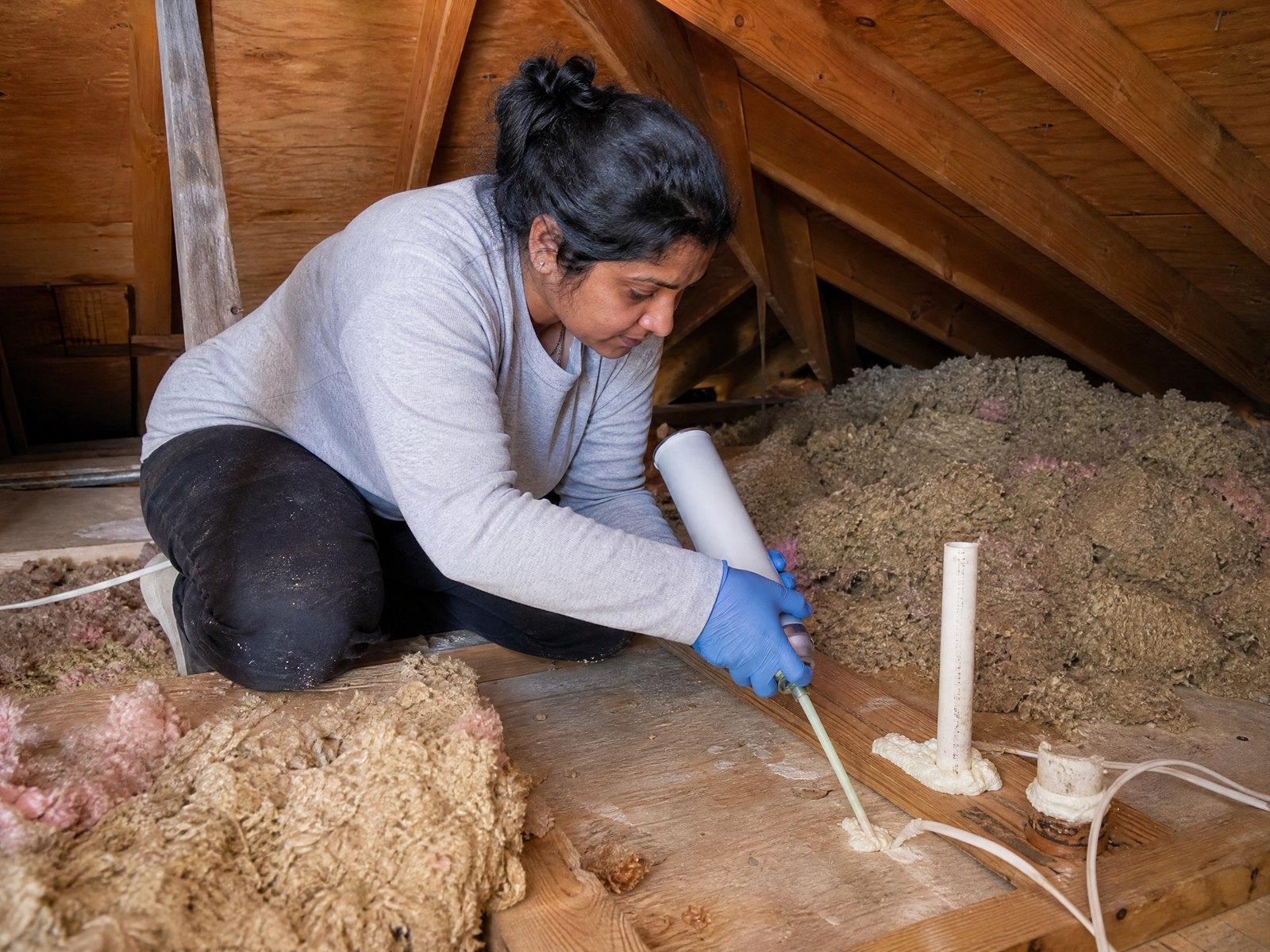
Gaps around pipes, wires, chimneys, pot lights and the attic hatch sealed before insulation goes in.
Basement Insulation
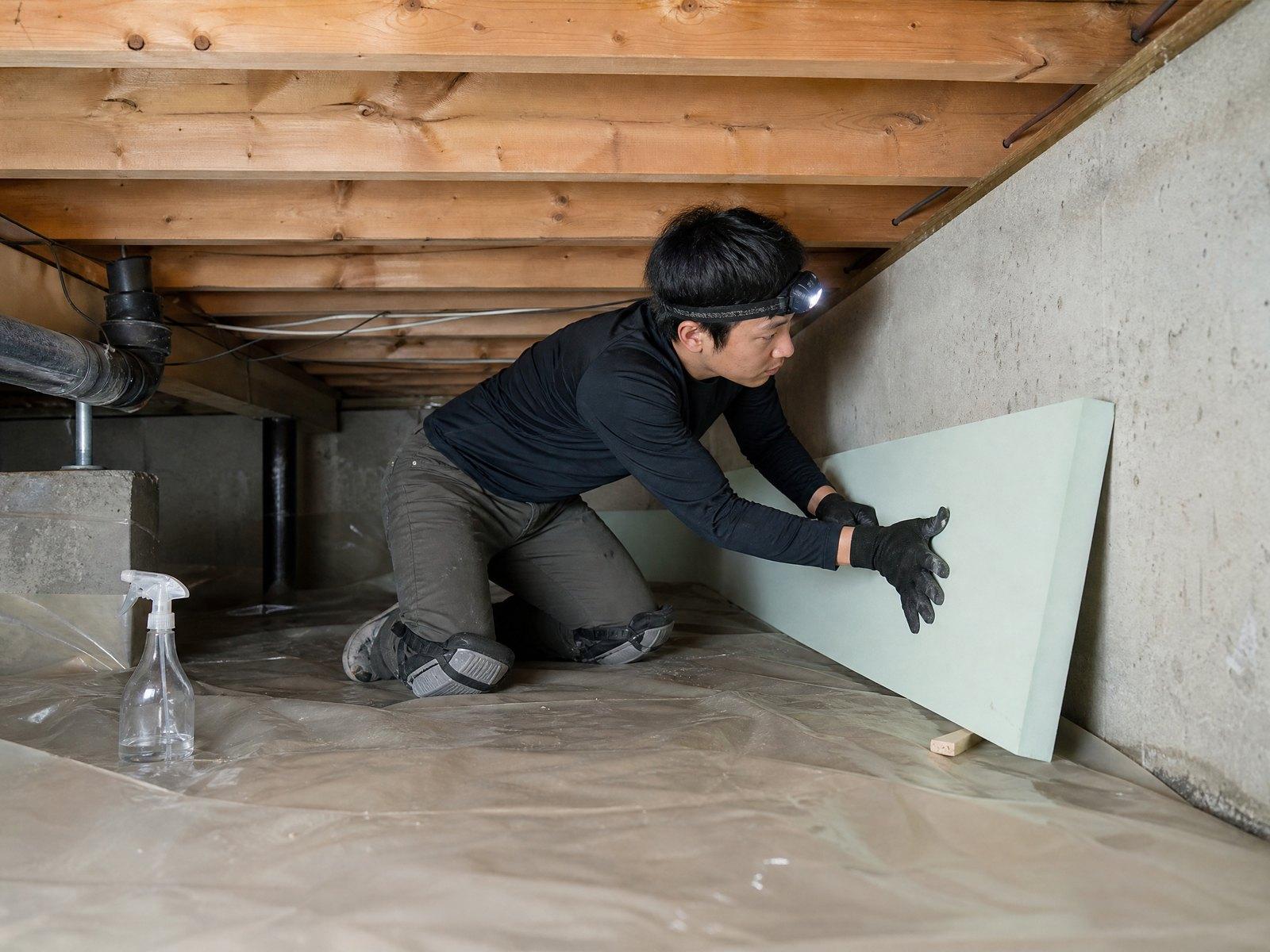
Basement walls and rim joists insulated with spray foam or rigid foam board, ready for finishing.
Crawl Space Insulation
Crawl space walls and rim joists insulated and the ground covered with a sealed vapour barrier.
Wall Insulation
Batts, mineral wool or spray foam in open walls during renovations, or dense-pack in closed walls.
Old Insulation Removal
Wet, compressed or rodent-damaged attic insulation vacuumed out before new material goes in.
How Insulation Work Should Be Handled
Air Sealing First
Gaps around pipes, wires, pot lights and the attic hatch are sealed before new insulation goes in, so the insulation can do its job.
The Right Material for the Spot
Blown-in for open attics, spray foam for rim joists and below-grade walls, batts or dense-pack for walls. Each part of the house gets what suits it.
Built for Your Climate
Target R-values, vapour control and ventilation depend on where you live. Local specialists work to the conditions in your area.
Ventilation Kept Open
Baffles at the eaves and clear soffit vents, so the attic stays dry and the roof deck stays cold in winter.
Homes and Small Buildings
Houses, duplexes, triplexes, small apartment buildings and small commercial properties.
Form Only, Your Pace
Send the details when it suits you. Nobody calls you before you ask for a quote.
Five Steps, Every Job.
Request
You describe the house in the quote form: cold rooms, drafts, ice dams, high bills, or a renovation coming up.
Inspect
A local specialist checks insulation depth and type, air leaks, attic ventilation, moisture and any old vermiculite.
Plan
The areas that make the biggest difference are picked first, with a material and a target R-value for each.
Quote
Written quote with the areas, materials, R-values, air sealing, ventilation work, prep and cleanup.
Install
Work done to the agreed scope, followed by a walkthrough with you.
Attic, Spray Foam & Home Insulation in Baltimore, MD
Requests from Baltimore and the surrounding area are welcome. Send the details through the quote form and a specialist who serves Baltimore will follow up with questions or next steps.
Calenta Near Baltimore
Calenta Insulation in Baltimore — Frequently Asked Questions
How much insulation should my attic have?
It depends on your climate. In most of Canada and the northern US, codes and energy programs point to roughly R-49 to R-60 in the attic, which works out to around 16 to 20 inches of blown-in insulation. Milder regions call for less. Many older houses have well under half that. The specialist measures what is there now and quotes the depth needed for your area.
Spray foam or blown-in: which is better?
They do different jobs. Blown-in cellulose or fibreglass is the usual choice for open attic floors because it goes in fast and costs less for the same R-value. Spray foam costs more but seals air leaks as it insulates, so it suits rim joists, basement walls, cathedral ceilings and tight spaces. Many projects use both.
Why does air sealing come before insulation?
Fibreglass and cellulose slow down heat, but they do not stop air. Warm air leaking into the attic through gaps around pipes, wires, pot lights and the hatch carries heat and moisture with it, which leads to ice dams and frost on the underside of the roof. Sealing those gaps first lets the new insulation work the way it should.
Can you insulate walls without opening them?
Often, yes. Older houses with empty wall cavities can be dense-packed with cellulose through small holes drilled in the siding or the inside wall, which are then plugged and patched. Walls that already have some insulation, or that are blocked inside, may not be good candidates, so the specialist checks before quoting.
There is grey-brown pebble insulation in my attic. Is that a problem?
That is probably vermiculite, and some vermiculite contains asbestos. Do not disturb it or store things on it. It needs to be tested, and if it contains asbestos it has to be removed by a qualified abatement contractor before any insulation work goes ahead. Mention it in the quote form so the right specialist reviews your request.
Are there rebates for insulation?
Sometimes. Utilities, provinces, states and federal programs in Canada and the US have offered rebates or tax credits for insulation and air sealing, but they change often and many require an energy assessment before and after the work. Check what is available in your area before you sign, and ask for an itemized quote you can submit.
How long does an insulation job take?
An attic top-up on a typical house is often done in a day. Spray foam in a basement usually takes a day or two, plus time for the foam to cure before anyone goes back in. Dense-packing walls or removing old insulation takes longer. The written quote should give the timeline and any time you need to stay out of the house.
How do I get a quote?
Fill out the quote form with your city, the type of house, the areas you want insulated and what you are noticing, such as cold rooms, drafts or ice dams. A specialist who works in your area follows up to look at the house and give you a written quote. Requesting a quote is free and there is no obligation to go ahead.
Cold Rooms, Drafts or Ice Dams? Get It Looked At.
Fill out the quote form with your city and what you are noticing. A local specialist follows up to look at the attic, walls and basement and give you a written quote. Free to request, no obligation.