Blown-In Insulation for Attics and Closed Walls
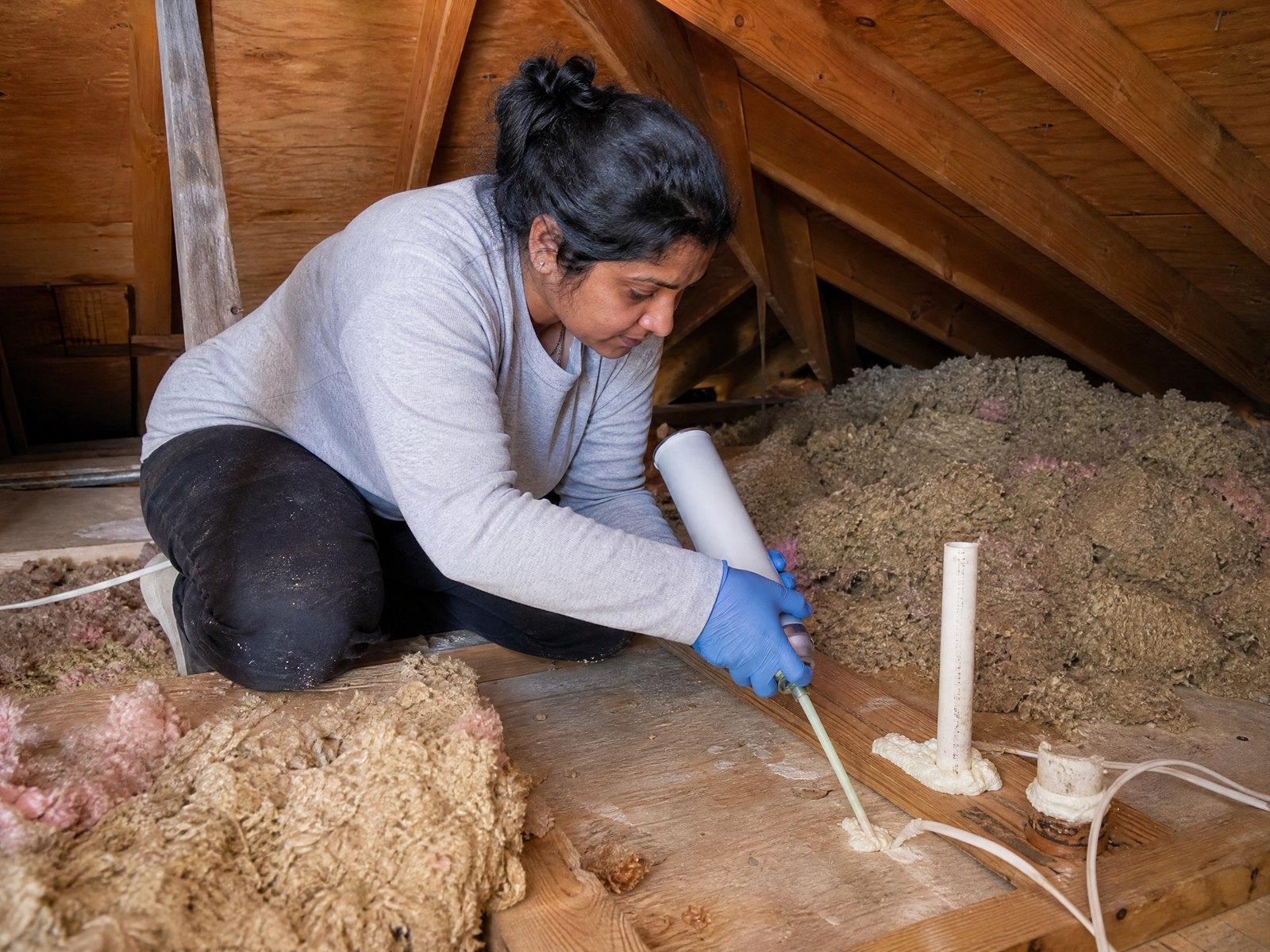
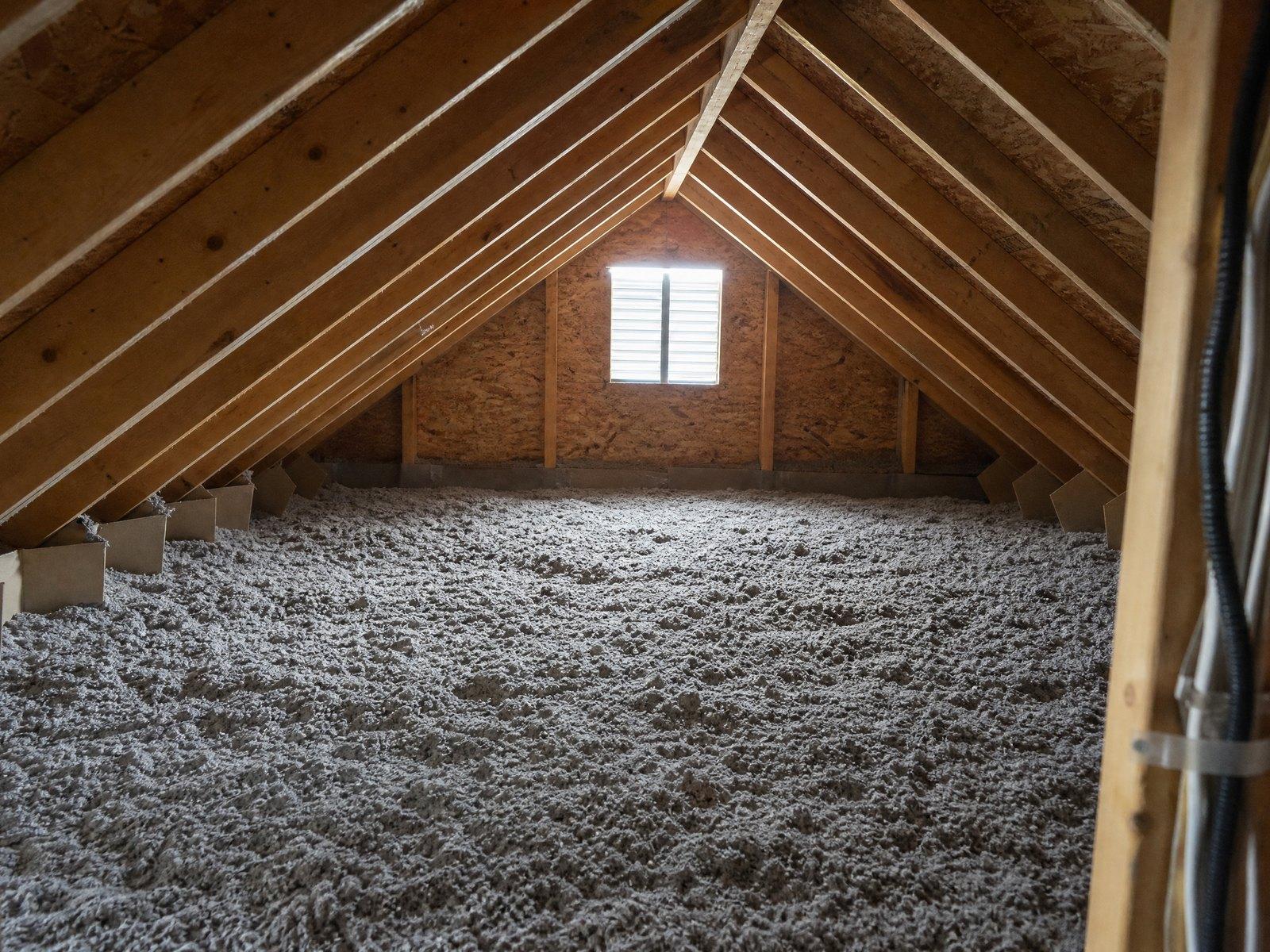
Blown-in insulation is loose material pushed through a hose into the space that needs it. In an attic it is spread over the floor, and in a finished wall it is packed into the cavity through small holes. The material flows around wires, pipes and framing, so there are fewer gaps than with cut batts.
Describe the job and add your city. Free to request, no obligation.
The two common types are cellulose, which is ground recycled paper treated for fire and pests, and loose-fill fibreglass, which is light and does not absorb as much moisture. Both do the job. Cellulose is denser and quieter in walls, and fibreglass is lighter and settles less in some attics. The better choice depends on your house and what the installer works with.
Blowing is quick, which keeps labour low. It also leaves most of the existing house untouched, which is why it is the usual way to add insulation to an older home without a renovation.
What the work includes
- Checking the attic or wall cavities for moisture, wiring and obstacles
- Sealing open gaps before material goes in
- Setting up depth markers in the attic
- Blowing loose-fill material to an even, level depth
- Drilling small holes in closed walls and dense-packing each cavity
- Plugging and patching the holes so they can be painted over
- Protecting floors and furniture with sheeting along the work path
- Cleanup and a final walkthrough
Signs blown-in insulation could help
Older plaster or lath walls that feel cold and have never had insulation added
An attic floor with thin, patchy batts or bare joist tops showing
Draughts at outlets on exterior walls
A house that cools off within minutes of the heat turning down
Insulation that has slumped down inside the wall, leaving a cold gap at the top
A renovation planned that will not open the walls or ceilings
How the work goes, step by step
Tell us what to insulate
Say whether it is the attic, walls or both, and roughly when the house was built.
Test the cavity
A local specialist checks what is in the attic or walls, sometimes with a small camera through a test hole.
Choose the material
Cellulose or fibreglass is suggested for the spot, and the target depth or density is set.
Written quote
You receive the areas, material, depth, hole patching and cleanup in writing.
Blow and patch
Material goes in, holes are plugged and patched, and the crew shows you the result.
What changes the price
- Attic or wall area
- More area means more material and more time, but the unit cost drops on larger jobs.
- Material choice
- Cellulose and fibreglass are priced differently, and local supply can shift the gap between them.
- Depth or cavity size
- A deeper attic layer or thicker wall cavity uses more material.
- Wall finish
- Brick, stucco, vinyl and plaster need different hole-drilling and patching methods.
- Obstacles inside
- Fire blocks, old knob-and-tube wiring and uneven framing slow the packing.
- Patching and finishing
- Plugs and plaster repair are included at some firms and extra at others, so check the quote.
What a good quote spells out
- The material used for each area, named clearly
- The final depth in the attic or the density in the walls
- How walls are accessed, from outside or inside, and how holes are repaired
- Whether the price includes sealing air leaks before the blowing starts
- Warranty terms in writing
Blown-In Insulation: questions people ask
Is cellulose or fibreglass better for blown-in?
Both reach the same insulating value when installed at the right depth. Cellulose is heavier and tends to give a tighter fill in walls. Loose-fill fibreglass is lighter and resists moisture well. The specialist can recommend one for your house.
Can walls be insulated without opening them?
Often yes. Holes are drilled in the cladding or the inside wall, the cavity is dense-packed, and the holes are plugged. Walls that are already partly insulated or full of obstructions may be poor candidates.
Will blown-in settle over time?
Some settling happens, which is why installers add a bit beyond the target depth and why the quote should state the final settled depth.
Does the house get messy?
A well-run job keeps the mess low. Floors are covered, the hose runs through an access point, and the attic or wall holes are cleaned up afterward.
Is it safe if there is knob-and-tube wiring?
Ask about it in your request. Old wiring can limit where insulation may be placed, and the specialist checks the wiring before deciding.
Other Calenta services
Cold Rooms, Drafts or Ice Dams? Get It Looked At.
Fill out the quote form with your city and what you are noticing. A local specialist follows up to look at the attic, walls and basement and give you a written quote. Free to request, no obligation.
Request a free quote →