Basement Wall Insulation: Warm the Concrete First
Basement wall insulation keeps bare concrete from pulling heat out of the house and stops warm room air reaching a cold surface where it would condense. It is done before framing and drywall, and it is almost always paired with sealing and insulating the rim joist at the top of the wall.
Describe the job and add your city. Free to request, no obligation.
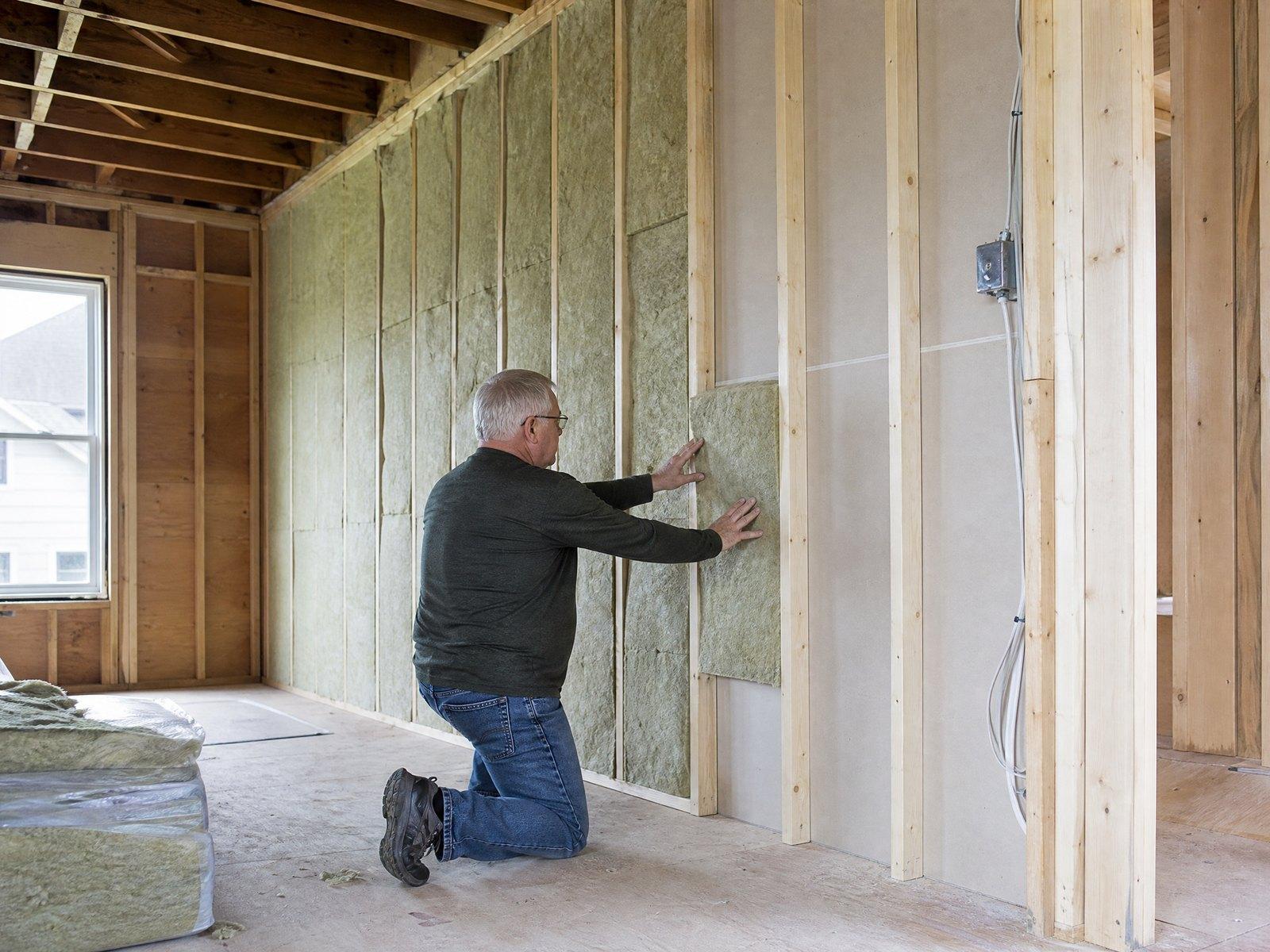
The materials that suit a basement are those that tolerate damp. Rigid foam board stuck against the concrete and sealed at the seams is a common choice. Closed-cell spray foam does the same job in one pass and fits odd shapes. Mineral wool batts in a framed wall can be added over a layer of foam. Fibreglass pressed against a bare concrete wall is a poor choice, because moisture and cold air collect behind it.
A basement that already leaks or stays damp needs that dealt with first. Insulation will not cure water, and trapping moisture behind a finished wall causes mould and rot. If you are not sure the walls are dry, say so in your request so the specialist can check.
What the work includes
- Checking the walls for dampness, efflorescence and cracks before anything goes on
- Sealing and insulating the rim joist between the foundation and the floor above
- Applying rigid foam board or spray foam to the concrete walls
- Taping or foaming seams so the layer is airtight
- Detailing around windows, service entries and the top of the wall
- Protecting pipes and wiring that run along the wall
- A fire-protective covering where the code requires one over foam
- Leaving the wall ready for framing and drywall
Signs the basement is losing heat
Bare concrete walls feel cold to the touch in winter
The floor above the basement is chilly, especially along the outside walls
Condensation or dampness on the walls in humid months
Draughts coming from the rim joist area near the ceiling
A planned basement renovation where walls will be framed and finished
Frozen pipes along a wall that is exposed to the cold
How the work goes, step by step
Describe the basement
Say whether it is finished, how damp it feels, and whether you are renovating soon.
Check the walls
A local specialist looks for moisture, cracks, staining and anything that must be fixed first.
Choose the system
Foam board, spray foam or a combination is picked for the walls and the rim joist.
Written quote
The quote lists materials, thickness, rim joist sealing and any covering.
Install and hand over
Insulation goes on, seams are sealed, and the walls are ready for framing.
What changes the price
- Wall area and height
- Taller walls and bigger basements use more material and take more time.
- Material choice
- Rigid foam, spray foam and mineral wool are priced differently, and closed-cell spray foam costs the most.
- Rim joist work
- The rim joist is a small area with many gaps, and sealing it carefully takes real time.
- Obstacles
- Ducts, pipes, wiring and uneven concrete slow the work and add cutting.
- Moisture condition
- A wall that needs repair or drainage work first adds a separate cost before insulation starts.
- Fire covering
- Some codes require a covering over foam, which is a separate item.
What a good quote spells out
- How dampness is checked before insulation goes on, and what happens if the wall is wet
- The material and thickness for the walls and for the rim joist
- Whether seams and edges are sealed so air cannot reach the concrete
- Whether a fire-protective covering is included or left to another trade
- Warranty terms on the product and the labour, in writing
Basement Insulation: questions people ask
Should a basement be insulated from inside or outside?
Inside is far more common for existing houses because it avoids digging. Outside insulation is mostly part of excavation and waterproofing work, so it comes up when the foundation is exposed anyway.
Can fibreglass batts go straight against the concrete?
That is not recommended. Moisture and cold air collect behind the batts and can cause mould. A foam layer against the concrete is the safer start.
How thick should basement insulation be?
Required thickness varies by climate and local code. The specialist quotes a thickness and R-value suited to your area, and your municipality sets the minimum.
Does the rim joist really matter?
Yes. It is one of the leakiest spots in the house, with gaps between the sill, joists and subfloor. Sealing and insulating it often makes a big difference in comfort.
Does a basement wall need a vapour barrier?
Closed-cell foam acts as one at the right thickness. Other systems need one placed correctly, and the right detail depends on your climate and the wall system.
Other Calenta services
Cold Rooms, Drafts or Ice Dams? Get It Looked At.
Fill out the quote form with your city and what you are noticing. A local specialist follows up to look at the attic, walls and basement and give you a written quote. Free to request, no obligation.
Request a free quote →