Attic Insulation: Fix the Biggest Heat Leak in the House
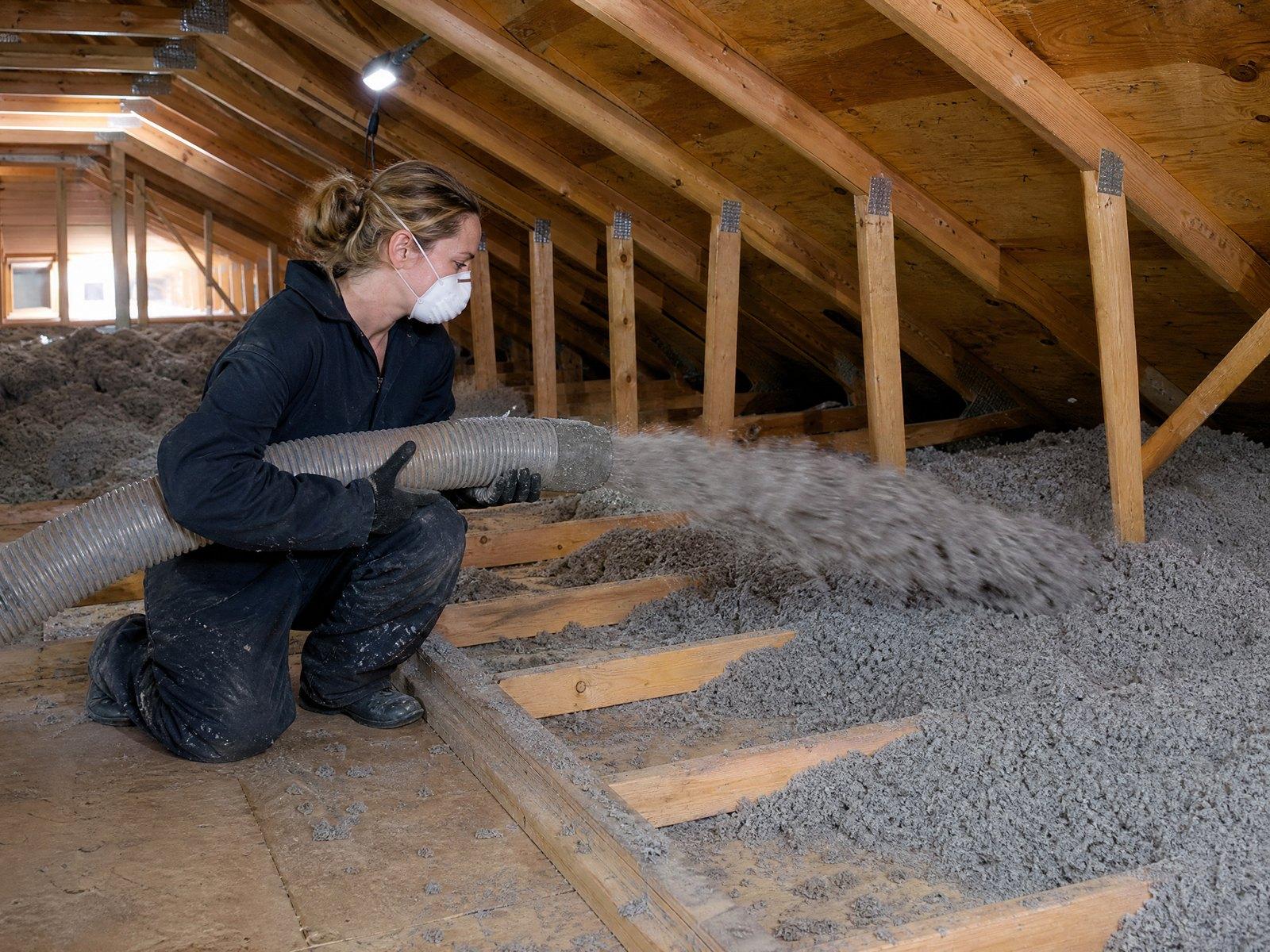
Attic insulation means measuring what lies on the attic floor now, sealing the gaps that let house air escape upward, and adding insulation until the layer reaches the depth your climate calls for. Heat rises, so the attic is usually the cheapest place to make a house noticeably warmer in winter and cooler in summer.
Describe the job and add your city. Free to request, no obligation.
Most older attics are thin, uneven or both. Insulation gets pushed aside around wiring, compressed by stored boxes, or never reached the corners near the eaves where the roof comes down low. A layer that looks deep in the middle can be almost bare at the edges, and those edges are where cold air creeps in.
The attic is also where ice dams start. Warm air leaking from the rooms below heats the roof deck, snow melts, and the water refreezes at the cold eave. Sealing the leaks and bringing the insulation up to depth keeps the deck cold and the snow in place, which is a fix from the inside rather than a patch on the roof.
What the work includes
- Measuring the depth and type of the insulation already in place
- Sealing gaps around plumbing stacks, wire holes, pot lights, chimneys and the hatch before adding anything
- Baffles at the eaves so soffit vents stay open and air can move under the roof deck
- Blown-in insulation added to the target depth, levelled across the whole floor
- Insulating and weatherstripping the attic hatch or pull-down stair
- Depth markers or a ruler left in the attic so the finished layer can be checked
- Covering or boxing around recessed lights and flues where the code asks for clearance
- Cleanup of the work area and a walkthrough when the job is done
Signs the attic needs more insulation
Ceiling joists are visible through the insulation, or you can see the tops of the beams
Snow melts off the roof in patches while neighbouring roofs stay covered
Icicles and ridges of ice build up along the eaves in winter
Top-floor rooms swing hot in July and cold in January compared with the rest of the house
Dark dirty streaks in the insulation, which show where air is moving through it
Heating or cooling bills that keep rising with no change in how you use the house
How the work goes, step by step
Send the details
Tell us the city, the age of the house, and what you notice: cold rooms, ice at the eaves, summer heat upstairs.
Attic check
A local specialist looks at the insulation depth and type, wiring, vents, any staining or moisture, and anything that might be vermiculite.
Pick the target
The specialist suggests a depth for your area, plus the sealing and vent work needed before the new layer goes on.
Written quote
You receive the areas, the material, the target depth, the air sealing and the cleanup in writing.
Install and walkthrough
Leaks are sealed, baffles go in, insulation is blown to depth, and you are shown the finished attic.
What changes the price
- Attic area and access
- A large, open attic with a wide hatch goes quickly. Low rafters, knee walls and a tiny hatch slow the crew down.
- Existing layer
- Topping up a decent layer is cheaper than starting over. Wet, compacted or contaminated insulation may have to come out first.
- Target depth
- A deeper layer uses more material. Colder regions call for more than mild ones.
- Material
- Blown-in cellulose and blown-in fibreglass price differently, and both cost less than spray foam for the same floor area.
- Air sealing scope
- A few visible gaps are a small add-on. A leaky house with many wire runs and chases takes more hours.
- Ventilation work
- Adding baffles or clearing blocked soffits adds labour and a small amount of material.
What a good quote spells out
- The depth or R-value the layer will reach, written as a number rather than a number of bags
- Whether air sealing is part of the price and which openings it covers
- How the eaves stay vented, and whether baffles are included
- What happens to the old insulation: kept, topped up or removed
- Warranty terms on materials and workmanship, written down before the job starts
Attic Insulation: questions people ask
How much insulation should an attic have?
That depends on your climate. In most of Canada and the northern US, current guidance points to a layer roughly 16 to 20 inches deep when blown in, and milder regions need less. A specialist measures yours and quotes the depth that suits your area.
Can new insulation go over the old?
Often yes, if the old layer is dry, clean and not compressed into a mat. Wet, mouldy or rodent-soiled insulation should come out first, and grey-brown pebbly material may be vermiculite that needs testing before anyone touches it.
Will more attic insulation stop ice dams?
It helps a lot when warm house air is the cause, because a colder roof deck holds snow instead of melting it. Sealing the air leaks matters just as much as the depth of the layer, so the two are done together.
Do stored boxes have to be moved first?
Boxes sitting on the attic floor usually have to be moved for the work. If you want a storage platform afterward, ask about raised decking so it does not squash the new layer.
Can attic insulation make a house too airtight?
Not by itself. Sealing the attic floor and insulating on top is the standard, safe way to cut heat loss, and the eaves are kept vented so the attic still dries out.
Other Calenta services
Cold Rooms, Drafts or Ice Dams? Get It Looked At.
Fill out the quote form with your city and what you are noticing. A local specialist follows up to look at the attic, walls and basement and give you a written quote. Free to request, no obligation.
Request a free quote →